



Medical Device PCBs
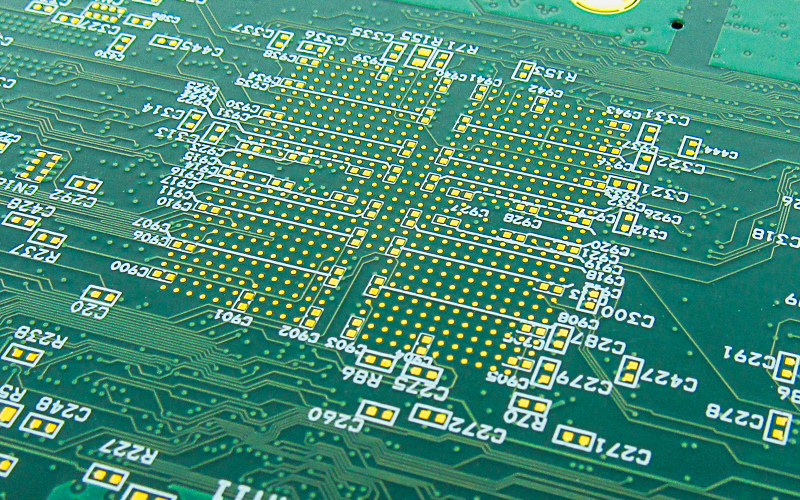
As medical technology becomes increasingly computerized, diagnostic and treatment equipment relies on printed circuit boards that integrate a high number of connections into very small spaces. These PCBs often include high-density circuits and advanced features that directly affect device accuracy and long-term reliability. Medical device PCBs must deliver consistent electrical performance while supporting compact mechanical designs used across modern healthcare equipment.
The medical industry demands the highest standards of quality, precision, and reliability for printed circuit boards. Epec’s engineering and production teams bring deep experience in medical-grade PCBs, including detailed knowledge of IPC Class II and IPC Class III specifications and HALT/HASS testing requirements. Medical PCBs are engineered to meet the specific needs of each device so customers can pursue UL, FDA, IEC, and other required approvals with confidence.
At a Glance: Medical Device Circuit Boards
- Medical device PCBs require high-density layouts, tight tolerances, and consistent manufacturing processes to meet demanding reliability and regulatory requirements.
- Epec supports medical PCBs from prototype through high-volume production, with expertise in IPC Class II and IPC Class III specifications and advanced fabrication technologies.
- Early design and DFM collaboration helps ensure prototypes are production-ready, minimizing launch delays and supporting long-term manufacturability.
Medical Prototype PCBs
Early-stage medical PCB prototypes must be built using processes that can scale reliably into production. Fast turnaround alone is not enough; prototypes must also reflect production-ready materials and fabrication methods. Changing processes or materials between prototype and production can introduce delays, additional documentation, or resubmission of samples that disrupt product launch timelines.
By supporting prototypes with production-capable processes from the start, Epec helps medical device teams avoid downstream risks. Experience with rigid, flex, and rigid-flex medical PCB designs allows potential manufacturability issues to be addressed before prototypes are released.
Design and Engineering Collaboration
Successful medical PCB programs require close collaboration during the design phase. Epec works directly with customers to address challenges such as very thin dielectric materials, mismatched X/Y dimensional stability, and extremely fine conductor geometries. These constraints must be resolved while still meeting IPC Class II or IPC Class III quality requirements and customer-specific testing protocols.
Mechanical, electrical, process, CAD, and layout engineers collaborate to optimize yields and reduce overall cost. This upfront engineering focus supports repeatable manufacturing and minimizes the risk of late-stage design changes.
Medical PCB Technologies
As medical device technology continues to advance, PCBs frequently incorporate one or more specialized fabrication technologies. Reliability remains the primary concern, and each technology choice impacts electrical performance, mechanical stability, and manufacturability.
IPC Class III
IPC Class III places the highest emphasis on reliability. Key requirements include strict controls on annular rings, plated through-hole integrity, and conductor spacing. These factors directly affect long-term performance in critical medical applications.
HDI / Via-in-Pad
High-density interconnect (HDI) and via-in-pad designs allow for significant PCB footprint reduction. These structures support compact device layouts while maintaining necessary signal routing density.
5 mil Lines and Spaces and Below
Very fine line widths and spacing require advanced fabrication equipment such as laser direct imaging. IPC Class III allows minimal line width reduction during processing, making tight process control essential to achieving acceptable yields.
Experience with Many Laminate Types
While FR4 is common, many medical devices require alternative laminates to meet specific application demands. Experience with polyimide, Teflon, ceramic, and other materials allows medical PCBs to be matched appropriately to electrical, thermal, and mechanical requirements.
Key IPC Class III Requirements
- No annular ring breakout permitted
- Minimum plated through-hole copper thickness of 1 mil
- Tighter tolerances on conductor widths and spacing
Medical PCB Manufacturing Considerations
Addressing design-for-manufacturing concerns early is critical. Even before prototypes are built, identifying changes needed for volume production helps avoid costly rework. Some PCB features may be achievable in very small quantities but cannot be produced reliably at scale.
An experienced medical PCB manufacturer provides insight into details such as circuitry orientation, copper thieving for flatness, and internal layer construction. These considerations help prevent delays and support consistent quality throughout production. Public safety is a core responsibility of medical device manufacturing, and it is treated accordingly.
Medical PCB Specifications
| Parameter | Value | Units |
| Minimum plated through-hole thickness | 1 | mil |
| Fine line/space capability | 5 | mil |
Frequently Asked Questions
Quick Links
- What IPC classes are used for medical device PCBs?
- Why is manufacturability important at the prototype stage?
- What types of PCB constructions support medical devices?
- What technologies help reduce PCB size in medical devices?
- Why are fine line widths challenging for medical PCBs?
- Are materials other than FR4 used in medical PCBs?
What IPC classes are used for medical device PCBs?
Medical device PCBs are commonly built to IPC Class II or IPC Class III specifications, depending on reliability and performance requirements.
Why is manufacturability important at the prototype stage?
Prototypes must be manufacturable in volume using the same processes. Changes later can cause delays, additional documentation, or resubmission of samples.
What types of PCB constructions support medical devices?
Medical devices may use rigid, flex, or rigid-flex PCBs depending on space constraints, reliability needs, and mechanical requirements.
What technologies help reduce PCB size in medical devices?
HDI and via-in-pad technologies allow designers to reduce PCB footprint while maintaining necessary routing density.
Why are fine line widths challenging for medical PCBs?
Very small conductor geometries require advanced equipment and tight process control to meet IPC Class III requirements without yield loss.
Are materials other than FR4 used in medical PCBs?
Yes. Many medical devices require polyimide, Teflon, ceramic, or other laminates to meet specific performance needs.
Reliability and Precision You Can Count On
With decades of experience supporting high-technology rigid, flex, and rigid-flex PCBs, Epec manufactures both prototypes and high-volume production boards for medical applications. Programs include complex designs for implantable devices, patient monitoring systems, CT scanning equipment, and other critical medical technologies. The emphasis remains on repeatability, precision, and compliance with demanding medical standards.
Request a Quote Request Design Support Request More InformationRequest a FREE Quote!
We are here to help you with all your printed circuit board needs.
Get Your Quote Now! Not Ready for a Quote? Request more info or email us your inquiry.FREE Download: Top 10 Ways to Reduce PCB Lead Times Without Cutting Corners
 Download Your Copy
... Or Download Our Circuit Board Design Guide
Free DFM File Check

Submit your PCB data files and we will run a complete DFM check for manufacturability.
Submit Your Data